Knowing how alcohol affects anxiety may make it less tempting to have a drink to cope. Excessive consumption of alcohol causes dehydration, which can make you feel dizzy and increase your heart rate. Alcohol is a diuretic, which means that it causes excessive expulsion of liquid from the body via urination. For every drink you have, you urinate as much as 50% to 100% more water, and this water is taken from other parts of the body. Don’t feel bad, but do consider cutting back on drinking — or quitting altogether.
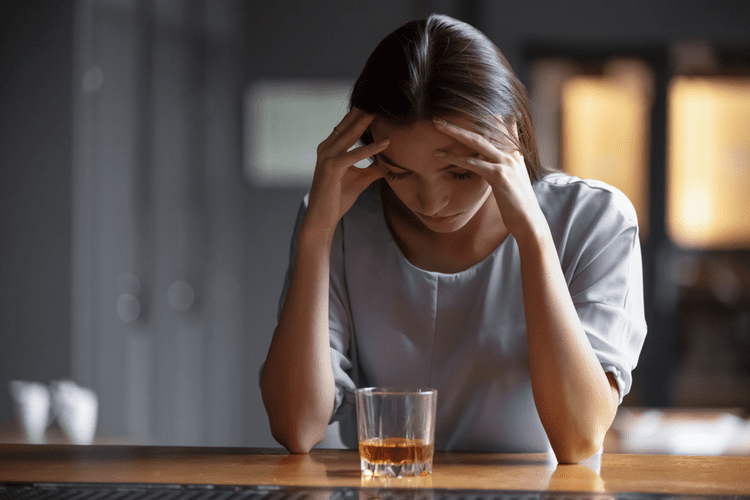
The review authors reported that reducing alcohol intake could improve people’s self-confidence, physical and mental quality of life, and social functioning. In this article, we look at the links between alcohol and anxiety, the risks, and how to manage anxiety does alcohol cause panic attacks and alcohol in daily life. Talk to your doctor about alcohol consumption before taking any of these medications, as side effects can be harmful or fatal. Alcohol changes levels of serotonin and other neurotransmitters in the brain, which can worsen anxiety.
Epidemiology of co-occurring disorders
Although you realize it’s harming you, a physical or emotional dependence on alcohol can make quitting hard. Can you think of more than a few times when you came to work with a hangover, missed deadlines, or got behind on schoolwork because of your drinking? When your alcohol use, including being sick from drinking, often prevents you from keeping up with responsibilities at home, work, or school, it’s a problem. We’re not talking about just the time with a glass (or can, or bottle) in your hand. There’s also getting the alcohol, feeling sick after you drink, and recovering from the effects later. Keep track of all your activities in a daily diary or schedule planner for a few weeks, and take an honest look at how it adds up.
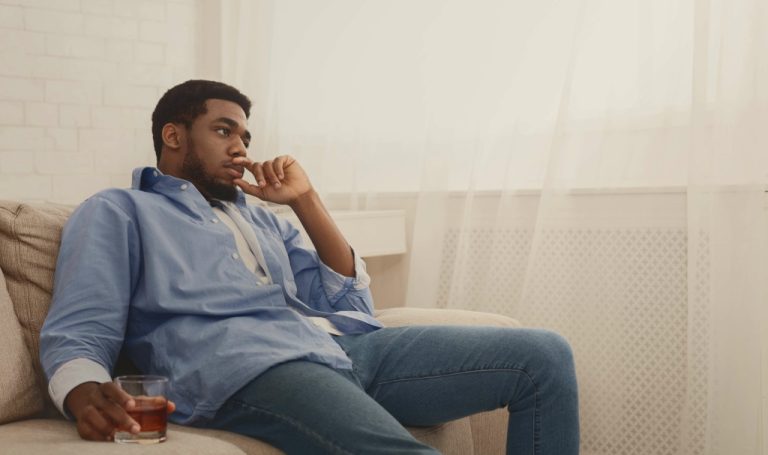
Alcohol can lower blood sugar immediately after drinking it – but the effect may last for several hours too. This can explain the anxiety you can feel the morning after drinking alcohol. Conversely, the three types of studies highlighted in this section indicate that if an association between alcoholism and anxiety/depressive disorders does https://ecosoberhouse.com/ exist, it is likely to operate in a relatively small subgroup of alcoholics. Several separate lines of evidence cast doubt on the possibility that high proportions of alcoholics have severe, long-term depressive or anxiety disorders. For example, exercise has been shown to have a positive psychological effect on anxiety and panic attacks.
Does alcohol cause panic attacks?
But if you have feelings of anxiety that are constant, overwhelming, or affect your daily life, there are things you can do, and support that is available to help you manage. In addition, if you’re noticing your anxiety levels increasing after drinking, try cutting down on how much you drink. Plus, take note of how your mood is each day — if you’re feeling extra on edge already, try and go against the temptation of remedying that with alcohol. Let’s say you drink a beer and martini but you don’t drink any water in between. Alcohol is a diuretic, meaning it makes you lose water through peeing, so it’s very important to drink plenty of water as well when you’re drinking alcohol. Alcohol can also make anxiety worse because it affects the levels of other mood-influencing chemicals like serotonin.
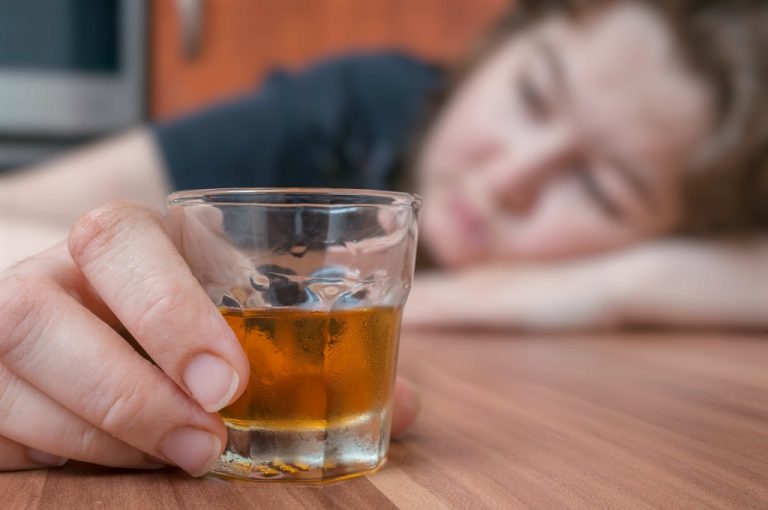
This type of self-medication can lead to alcohol dependency and may result in regular, alcohol-induced panic attacks. It is very common for people who experience anxiety to self-medicate by consuming alcohol, which can offer a temporary fix. In fact, research suggests that around 25% of people with panic disorder also have an alcohol dependence. When you experience alcohol-induced panic attacks, this cycle can become even more frightening and potentially result in a long-term panic disorder. Drinking alcohol on a regular basis can result in your body building up a tolerance to this substance over time.
You Drink More Than Planned
As a result, it’s possible that having a few drinks that make your BAC rise and then fall back to normal again can make you more anxious than you were before. When dealing with stressful days or nervous situations, you may be tempted to have a glass of wine or a beer to calm your nerves. However, drinking alcohol, especially heavily and over a long period of time, can actually increase your anxiety. Some research suggests that your body’s natural fight-or-flight response to danger is involved in panic attacks. For example, if a grizzly bear came after you, your body would react instinctively. Your heart rate and breathing would speed up as your body prepared for a life-threatening situation.
